Biography
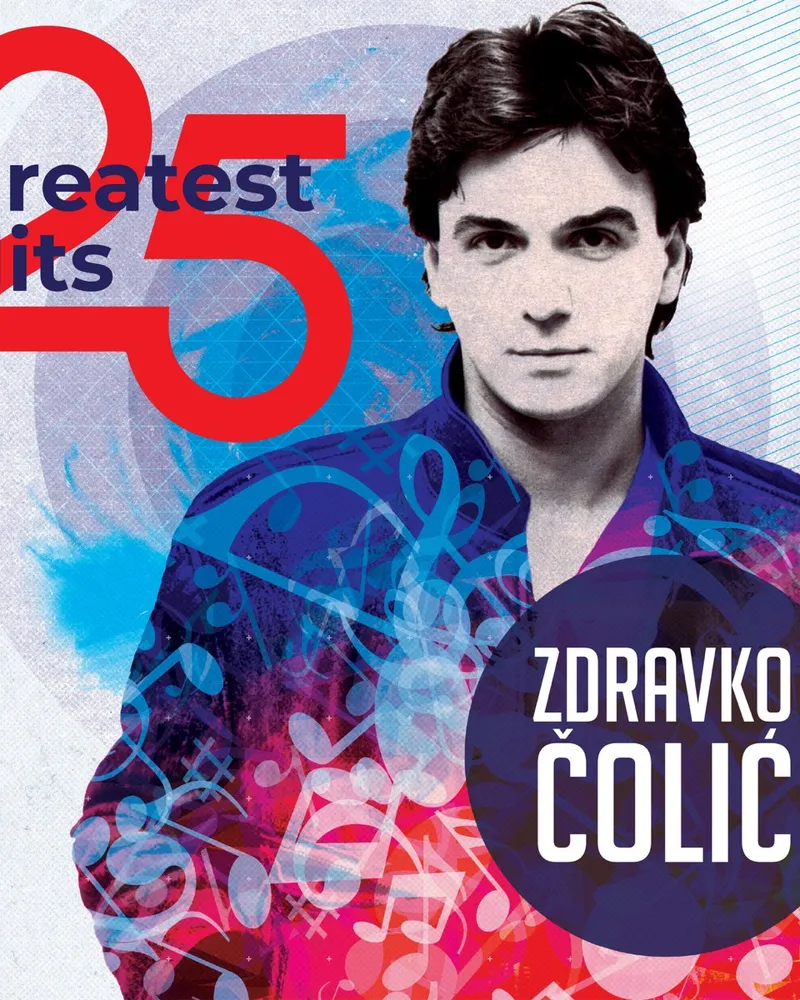
Who is Zdravko Čolić?
Early life and education
Zdravko Čolić was born in Sarajevo, Bosnia and Herzegovina, on May 30, 1951. His father, Vladimir, worked as a police administrator, and his mother, Stana, was a homemaker. He grew up in the Skenderija neighborhood with his younger brother, Dragan. During his youth, Zdravko attended the Vladimir Perić Valter elementary school. He also studied guitar at a local music school. Beyond academics, he participated in youth theater productions at Pionirsko pozorište.
Musical beginnings
Zdravko's interest in music started at a young age. He performed guitar at informal neighborhood gatherings with his friend Braco Isović, where they were known locally as Čola i Isa sa Grbavice. His primary influence was the pop schlager music that frequently appeared on Yugoslav and Italian festivals. In 1967, while vacationing in Baošići, Montenegro, he entered his first amateur singing contest in nearby Bijela. He performed The Beatles song Lady Madonna and secured second prize.
Rise to stardom
In 1971, Novi ambasadori performed at the Vaš šlager sezone festival in Sarajevo. During this event, the musician Kornelije Kovač noticed the young singer's vocal ability and stage presence. Shortly after, Zdravko joined the group Korni grupa as a replacement for Dado Topić. He moved to Belgrade on September 10, 1971, to pursue this opportunity. His time with the band was brief because he struggled to fit into their progressive rock style. He recorded tracks like Kukavica and Gospa Mica gazdarica before deciding to launch a solo career.
Eurovision and career milestones
A major career breakthrough occurred when Zdravko won the Opatija festival with the song Gori vatra. This victory allowed him to represent Yugoslavia at the 1973 Eurovision Song Contest in Luxembourg. While the song placed poorly in the competition, it became a significant success within Yugoslavia. Throughout the mid-1970s, he continued to participate in various music festivals. He won the Hit parada festival in 1974 with the song Ona spava. He also achieved victories at Beogradsko proleće with April u Beogradu and at Vaš šlager sezone with Zvao sam je Emili.
Birthday and age
Zdravko Čolić was born on May 30, 1951, which makes Zdravko 75 years old today. That birthday falls under the Gemini sign. Zdravko shares the date with 30 other famous people.
Explore more